See what copyinga wallet really costs
Paste a Solana address. See what the wallet made, and what you would have kept after fees and slippage.
Paste an addressFull report
The full report for this wallet.
Most copies lose money
A few trades carry the result
What we left out, and why
Nothing is filled in with a guess. Whatever can’t be priced from the wallet’s own trades is counted here and kept out of the numbers above.
One real trade
- Paid
- 5.035 SOL
- In euros
- 463.03 EUR
- Price per token
- 0.00001026 EUR
First the wallet buys.
- Received
- 6.673 SOL
- In euros
- 612.07 EUR
- Price per token
- 0.00001356 EUR
Fifteen seconds later, it sells.
- You put in
- 5.00 EUR
- Price per token
- 0.00001282 EUR
- Above the wallet’s
- +25.0 %
- Fees
- 0.06 EUR
- Slippage
- 0.05 EUR
Then you buy, already too late.
- You get back
- 4.78 EUR
- Price per token
- 0.00001282 EUR
- Fees and slippage
- 0.11 EUR
You sell too. The profit is gone.
Wallet C, 13 September 2026 (UTC), from the study’s 30-second, base-cost replay. The wallet’s euros are its SOL amounts at that minute’s SOL price. Prices are one-minute candles, so both of your trades use the 17:50 price; the wallet had sold before you bought.
The study: September replays
The study behind the check: we replayed every swap of three busy wallets through September, minute by minute, with a follower reacting late and paying real costs. Change the delay and costs on the report.
Being late has always cost money
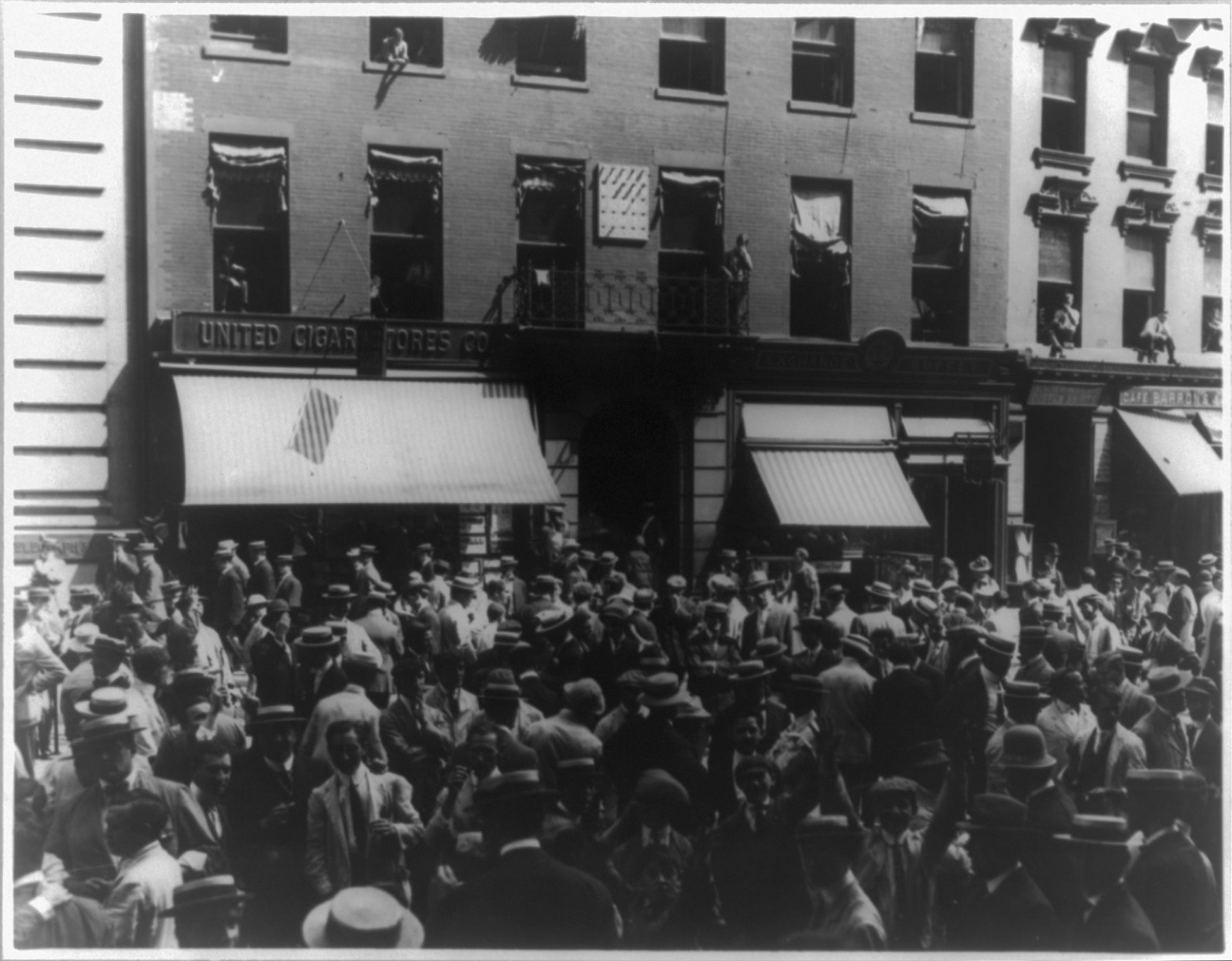
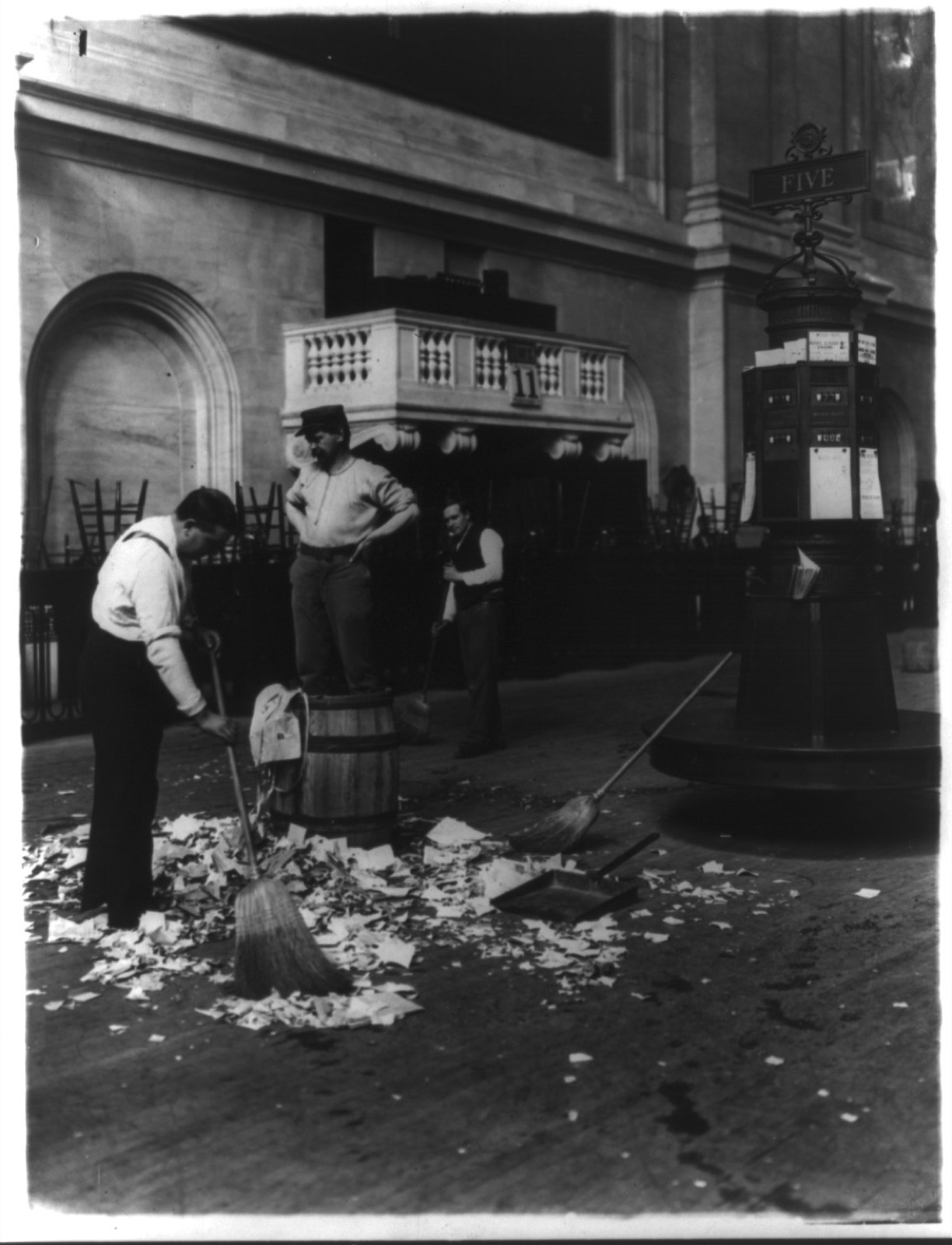
Before screens, brokers on New York’s outdoor curb market signalled prices up to their offices by hand, and investors elsewhere read them off ticker tape. Anyone acting on someone else’s trade was acting on old news.


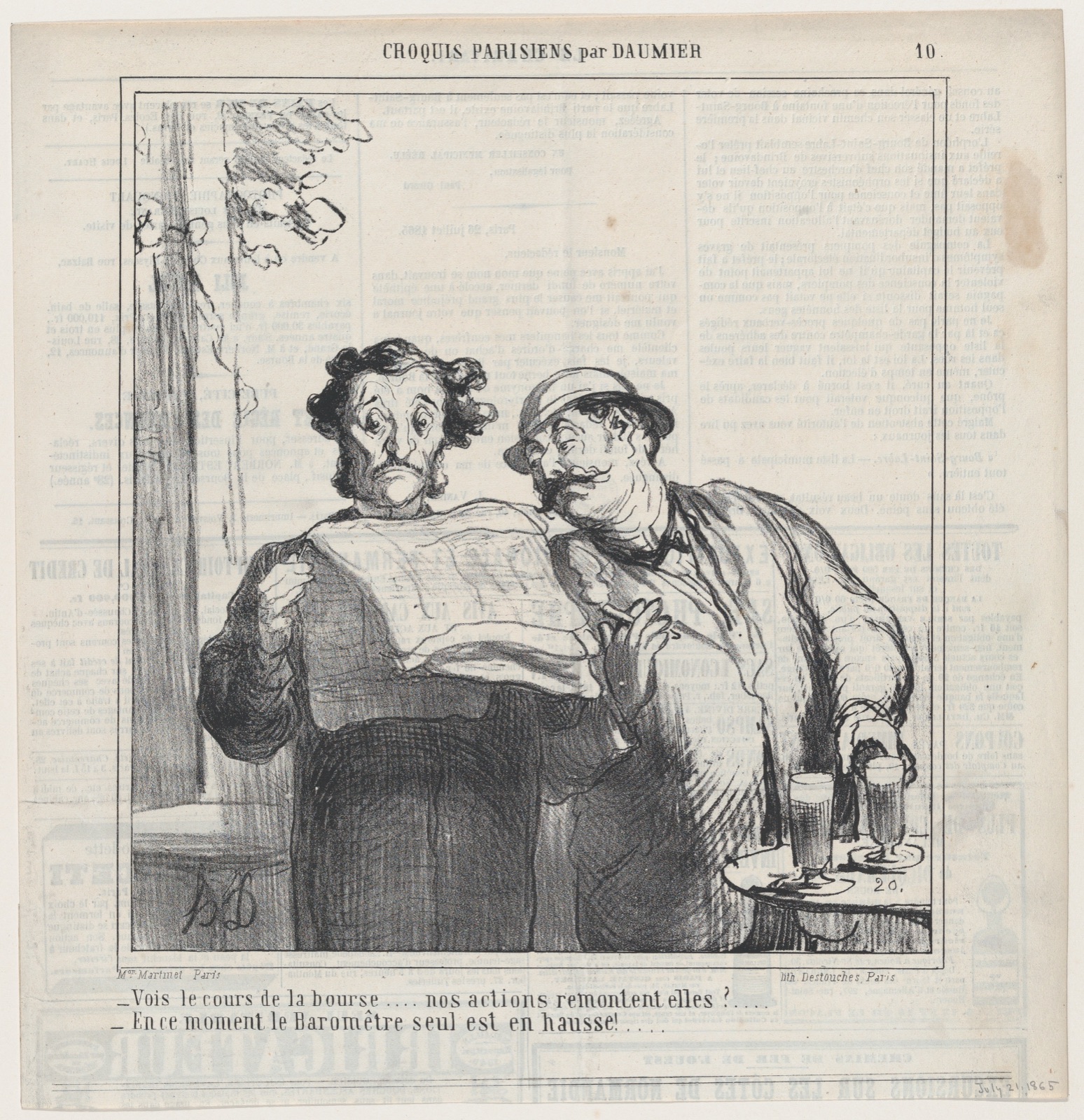
The tools changed. The order didn’t: someone trades first, and everyone who copies them pays to be second.